What Matters Most in Your Retirement Home? It’s About More Than Square Footage
When you picture your retirement home, what do you see?
A quiet place with a small garden? A neighborhood where you can walk to coffee? A home with room for the grandchildren to visit? Or perhaps something smaller and easier to maintain so you can spend more time traveling and less time taking care of a house?
There is no single picture of the perfect retirement home. The right home is the one that supports your lifestyle, finances, comfort, and plans for the years ahead.
A recent Realtor.com article, “What Retirees Are Looking for in a New Home,” highlights several priorities, including manageable costs, aging-in-place features, lower maintenance, and community connections. Those are useful starting points—but your search should begin with what matters to you.
Start With the Life You Want to Live
Before we talk about bedrooms, bathrooms, or square footage, let’s talk about your day.
What would you like an ordinary Tuesday to look like?
Maybe you want to walk the dog, meet a friend for lunch, and come home without a long list of chores waiting for you. Perhaps you want to volunteer, take classes, spend more time outdoors, or be closer to family.
Your next home should support those plans—not get in their way.
A helpful first question is: What do I want more of—and what am I ready to do less of?
More time with family? Less yardwork? More community? Fewer stairs? Those answers can help us build a home search around your priorities rather than someone else’s idea of retirement.
Less Maintenance, More Time for Yourself
A larger home may have served you well for many years. But you may no longer want every weekend to include cleaning unused rooms, managing landscaping, or coordinating repairs.
Realtor.com identifies low-maintenance properties as a priority for retirees looking for greater comfort and fewer ongoing responsibilities.
As you consider a property, look beyond how it shows on the day you visit. Ask:
How much yardwork would this home require?
What is the condition of the roof and major systems?
Are there surfaces or features that will be difficult to clean or maintain?
Would I need regular help to care for the property?
If I travel, how would the home be looked after?
The goal is not necessarily the smallest home. It is a home with responsibilities you are comfortable managing.
A Location That Makes Daily Life Easier
The house matters. So does everything around it.
Realtor.com’s article emphasizes proximity to family, services, recreation, and community activities as part of what retirees consider when choosing a home.
For your search, that might mean being near:
Grocery stores and everyday shopping.
Medical appointments and pharmacies.
Restaurants, libraries, and community centers.
Parks, trails, and outdoor spaces.
Friends, family, or places of worship.
Transportation options you would feel comfortable using.
If walkability is important, be specific about what that means to you. Being near a shopping area is different from having a route you would actually enjoy walking.
When exploring a Contra Costa County neighborhood, we can look at the home and the surrounding area together. Where would you go regularly? How would you get there? Does the location fit the way you want to live?
A Home That Can Adapt With You
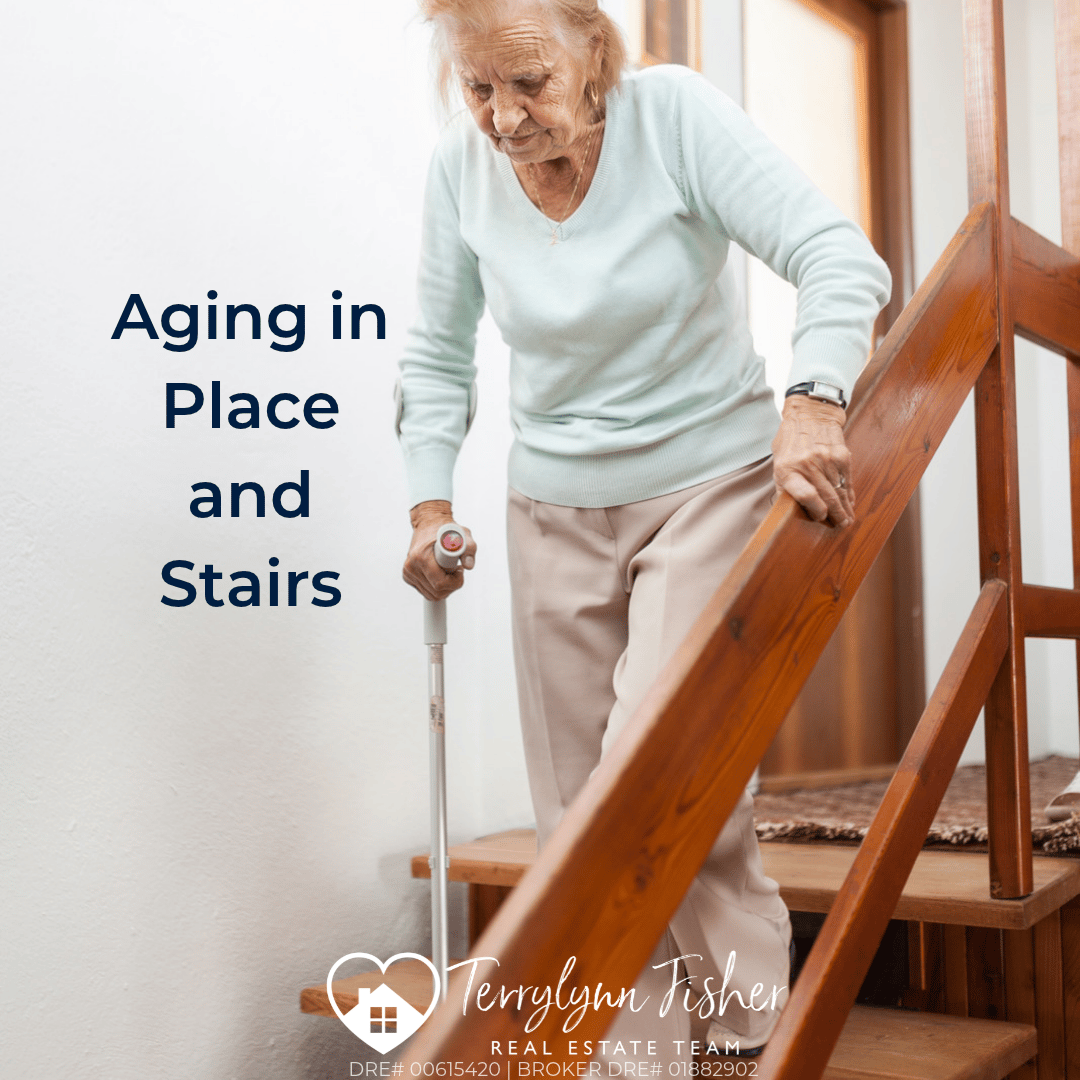
You do not have to wait until stairs become difficult to think about one-level living.
Planning ahead means considering how a home might serve you now and how it could accommodate changing needs. Realtor.com highlights features such as curbless showers, thoughtful lighting, and other accessibility adaptations as considerations for aging in place.
During your search, questions might include:
Are the bedroom, bathroom, kitchen, and laundry on the same level?
Are there steps between the garage and the house?
How easy is it to enter through the front door?
Is the bathroom layout workable for your needs?
Are pathways and doorways comfortable to navigate?
Could the home accommodate modifications if needed?
A listing described as “single-story” does not answer every accessibility question. We still need to look closely at how the property functions for you.
If you have specific mobility or accessibility needs, an appropriate professional can help evaluate the home and possible modifications.
Room for Family—Without More House Than You Want
For some retirees, downsizing does not mean giving up space for the people they love.
You may want a guest bedroom, a table large enough for family dinners, or an outdoor area where the grandchildren can play. Those are meaningful priorities.
The question is how much space you want to maintain throughout the year to accommodate occasional visits.
Think about:
How often guests stay overnight.
How many people usually visit at once.
Whether a room could serve as both an office and guest room.
What space you use regularly versus only a few times a year.
There is no right answer. The goal is to find a balance between welcoming others and living comfortably in your home every day.
Outdoor Living, Nature, or a Vacation-Like Setting
Perhaps your retirement plans include more time outside.
That might mean a patio for morning coffee, a small garden, nearby walking trails, or a location closer to water or nature. You may be considering a different climate or a community that feels more like a getaway.
Picture how you would use that setting—not just how it looks in a photograph.
Would you enjoy it year-round? How much upkeep would the outdoor space require? Would the location still work for shopping, appointments, and visits with family?
A beautiful view can be part of the dream. It is worth making sure the everyday details work, too.
Community Amenities and Opportunities to Connect
Some buyers want privacy and quiet. Others want activities and opportunities to meet people close to home.
Realtor.com notes the appeal of community features such as pools, recreation centers, classes, and walking areas for retirees seeking an engaging lifestyle.
If a condo or community with amenities interests you, consider which features you would actually use.
Would you enjoy organized activities? A pool? A fitness room? Would you prefer a more independent setting?
Then look carefully at the responsibilities that come with the property. Before purchasing in an association, review its documents, fees, rules, maintenance responsibilities, and available financial information with appropriate guidance. Ask what is included rather than assuming everything is covered.
The right community should fit your preferences as well as your budget.
A Financial Picture That Supports Your Plans
A smaller home may be part of a plan to free up funds for travel, hobbies, family, or future needs. Realtor.com describes this financial flexibility as one reason some retirees consider downsizing.
But smaller does not automatically mean less expensive.
Before making a decision, look at the full picture:
The potential proceeds from selling your current home.
The purchase price or rental cost of your next home.
Selling, buying, and moving expenses.
Property taxes, insurance, and association fees.
Maintenance and any planned improvements.
The funds you want to preserve for other priorities.
I can help you understand the real estate side of those choices. Your financial and tax professionals can help evaluate how a move fits your broader retirement plan.
The purpose is not simply to buy less house. It is to choose housing that supports the life you want without creating financial pressure.
Make Your Own Retirement-Home Checklist
Before you begin touring properties, divide your priorities into three groups:
Must-haves: Features you need, such as a particular location, a manageable budget, or living spaces on one level.
Nice-to-haves: Features you would enjoy but could compromise on.
Deal-breakers: Conditions or responsibilities you do not want to take on.
If you are moving with a spouse or partner, make your lists separately first. Then compare them. You may discover that you are picturing different things—and that is useful to know before the search begins.
You do not need to settle every detail immediately. You simply need a starting point.
You Don’t Have to Be Ready to Move to Start Planning
As a Seniors Real Estate Specialist® serving Contra Costa County, I can help you explore your housing options, compare priorities, and think through what a move might involve.
Perhaps you are ready for a smaller home. Perhaps you want a different neighborhood. Or perhaps exploring your options will help you decide that staying where you are is the right choice for now.
There is no pressure to make a move just because we have a conversation.
Your next chapter should be built around your goals—not a checklist of what retirement is supposed to look like.
Inspired by Realtor.com’s article, “What Retirees Are Looking for in a New Home.”
REALTOR® and RESOURCE are synonymous. It’s your real estate journey… I am the guide.
Your REALTOR® for life,
Terrylynn Fisher